
brand strategy and belief systems

Branding And Belief Systems

Branding And Belief Systems

Branding And Belief Systems

People don't use brands, they relate to them.

People Don't Use Brands They Relate To Them

It was 1997, Apple was surprisingly not doing well at the time. From a technicals standpoint, if you were in the market for a computer, you wouldn't be choosing Apple. There's a reason they have become the cliche, because what they did next was undoubtedly one of the best marketing campaigns of all time.


Think Different.


With one slogan, they shifted their entire brand identity and what they stood for. People suddenly weren't choosing Apple because of the computers they made, but because they aligned with a similar belief system. They aligned with those who wanted to change the world, those who were outside the box thinkers, the rebels, the revolutionaries. When you chose Apple, you weren't choosing a computer, but rather an identity.
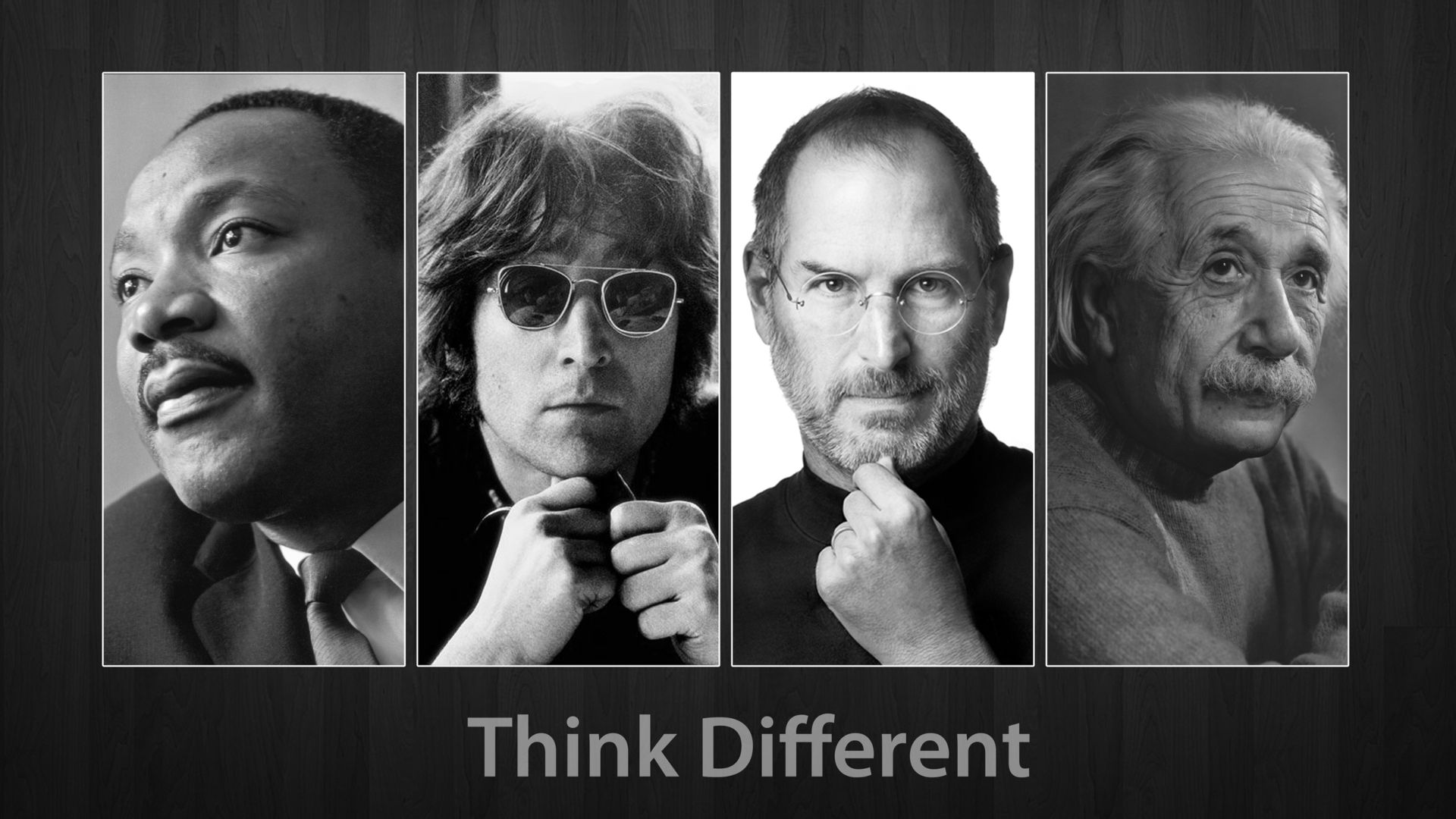
think differently

We Don’t Buy Products, We Reinforce Identity

We buy products because they express something that aligns with who we feel we are. We are answering internal questions. Does this reinforce how I want to be perceived? Does this make me look:


• smart

• creative

• disciplined

• successful

• different

• part of a certain group


Two products do the exact same thing, same functions, same purpose. So what's the psychological undertone forcing the decision? It's one product feels more like us. This is why a brand is not a product, it's the meaning wrapped around it. It's signaling what it stands for. People want to feel like they belong, like they are a part of something bigger then themselves. Brands are an opportunity to feel that.


So when you're building a brand it's never "Is it a good product?" Instead it's "How does this make someone feel when they choose it?"

The Brands That Win Feel Personal, Not Promotional

We are all getting things shoved in our faces everyday. Buy this! Buy that! An advertisement, if done well shouldn't feel like an ad at all, it should feel like someone deeply understands you and what you're going through.


Take Hungryroot as a perfect example. They’re not out here yelling:

“Fast grocery delivery!”

“Healthy meals in minutes!”
“Convenient food options!”

There are countless different meal delivery services available. Take your pick. Instead, they make it feel like: “This was made for someone exactly like me.”


Look at how they show up for pregnant women in their instagram ads: They’re not just selling meal delivery. They’re stepping into a very specific moment in that person's life, a pregnant woman's life. Who has other kids and a family to worry about.


• Low energy
Limited time
Decision fatigue
Trying to eat well
Trying to take care of yourself and others at the same time


That’s definitely not a generic audience nor is it everyone. It's a specific persona and it's addressing a very real, very emotional state. You're buying the brand because you feel understood. It's removing pressure. Suddenly a meal service becomes:


• easy meals when you don’t have the energy to think

• groceries that just show up without the stress

• food that still feels good for you and your baby

• one less thing to worry about


It feels personal.

We are all getting things shoved in our faces everyday. Buy this! Buy that! An advertisement, if done well shouldn't feel like an ad at all, it should feel like someone deeply understands you and what you're going through.


Take Hungryroot as a perfect example. They’re not out here yelling:

“Fast grocery delivery!”

“Healthy meals in minutes!”
“Convenient food options!”

There are countless different meal delivery services available. Take your pick. Instead, they make it feel like: “This was made for someone exactly like me.”


Look at how they show up for pregnant women in their instagram ads: They’re not just selling meal delivery. They’re stepping into a very specific moment in that person's life, a pregnant woman's life. Who has other kids and a family to worry about.


• Low energy
Limited time
Decision fatigue
Trying to eat well
Trying to take care of yourself and others at the same time


That’s definitely not a generic audience nor is it everyone. It's a specific persona and it's addressing a very real, very emotional state. You're buying the brand because you feel understood. It's removing pressure. Suddenly a meal service becomes:


• easy meals when you don’t have the energy to think

• groceries that just show up without the stress

• food that still feels good for you and your baby

• one less thing to worry about


It feels personal.

We are all getting things shoved in our faces everyday. Buy this! Buy that! An advertisement, if done well shouldn't feel like an ad at all, it should feel like someone deeply understands you and what you're going through.


Take Hungryroot as a perfect example. They’re not out here yelling:

“Fast grocery delivery!”

“Healthy meals in minutes!”
“Convenient food options!”

There are countless different meal delivery services available. Take your pick. Instead, they make it feel like: “This was made for someone exactly like me.”


Look at how they show up for pregnant women in their instagram ads: They’re not just selling meal delivery. They’re stepping into a very specific moment in that person's life, a pregnant woman's life. Who has other kids and a family to worry about.


• Low energy
Limited time
Decision fatigue
Trying to eat well
Trying to take care of yourself and others at the same time


That’s definitely not a generic audience nor is it everyone. It's a specific persona and it's addressing a very real, very emotional state. You're buying the brand because you feel understood. It's removing pressure. Suddenly a meal service becomes:


• easy meals when you don’t have the energy to think

• groceries that just show up without the stress

• food that still feels good for you and your baby

• one less thing to worry about


It feels personal.

branding and community

Shared Belief Is What Turns Customers Into Community

Tribes, culture, community. In the beginning, humans depended on tribes for survival. If you wanted to live, you had to be a part of a community where you played a role. You wouldn't be able to make it otherwise. So the idea of belonging to something is inherent to being human. Which is why it's so powerful when we can create a community inside a brand. This is a deeper layer that most founders miss. If we can allow people to see themselves within the brand, and align with it, a natural community and subculture forms. Momentum begins and propels you forward.

If They Don’t Recognize Themselves, They Won’t Choose You

People don’t spend time trying to figure out if something is for them. Nobody has the time. They make the call instantly. When someone lands on your brand, they’re subconsciously asking: “Is this for someone like me?” And if the answer isn’t obvious, they move on.


Do they see:

• Their problem
Their lifestyle
Their mindset
Their stage of life


Is it reflected in your design and messaging? If they do they click, if they don't it feels irrelevant.


This is why brand strategy is so important. This is why vague brands struggle. Strategy lays the foundation for who you are, who you're for, what you believe in, and what makes you so special. It's giving direction to who your audience is and how you are going to connect with them. If you try to win over everyone, you will ultimately win no one. Figuring out the details early on is the key to your success.

People don’t spend time trying to figure out if something is for them. Nobody has the time. They make the call instantly. When someone lands on your brand, they’re subconsciously asking: “Is this for someone like me?” And if the answer isn’t obvious, they move on.


Do they see:

• Their problem
Their lifestyle
Their mindset
Their stage of life


Is it reflected in your design and messaging? If they do they click, if they don't it feels irrelevant.


This is why brand strategy is so important. This is why vague brands struggle. Strategy lays the foundation for who you are, who you're for, what you believe in, and what makes you so special. It's giving direction to who your audience is and how you are going to connect with them. If you try to win over everyone, you will ultimately win no one. Figuring out the details early on is the key to your success.

People don’t spend time trying to figure out if something is for them. Nobody has the time. They make the call instantly. When someone lands on your brand, they’re subconsciously asking: “Is this for someone like me?” And if the answer isn’t obvious, they move on.


Do they see:

• Their problem
Their lifestyle
Their mindset
Their stage of life


Is it reflected in your design and messaging? If they do they click, if they don't it feels irrelevant.


This is why brand strategy is so important. This is why vague brands struggle. Strategy lays the foundation for who you are, who you're for, what you believe in, and what makes you so special. It's giving direction to who your audience is and how you are going to connect with them. If you try to win over everyone, you will ultimately win no one. Figuring out the details early on is the key to your success.

Ready to discuss your brand strategy?