
Overview
Clarity on who you are and what you stand for
This is where you stop trying to be everything to everyone. You define your purpose, your point of view, and what actually matters to you as a brand. When that’s clear internally, it shows up clearly everywhere else.Alignment between your message, visuals, and market
Your words, design, and positioning should all be telling the same story. If your visuals say one thing and your messaging says another, people will feel that disconnect. Consistency builds trust and alignment removes friction.
Differentiation in a cluttered space
Most markets are loud and repetitive. Without intentional positioning, you blend in by default. This process helps you identify the market gap and confidently claim it as your own.
A foundation that makes every future decision easier
When the core variables are defined, decisions stop being emotional and start being strategic. You’re not reinventing your voice every time you post or launch something new. You’re building on a system instead of guessing.
What Is The Importance Of Brand Strategy
Brand strategy matters because it gives your business direction before you try to give it attention. Without it, you’re just designing things and posting content hoping it lands. The hoping and guessing shows, people get confused and move on. You come off risky. A clear strategy defines who you’re for, what you stand for, and why someone should choose you over anyone else. What makes you so special. It removes confusion, sharpens your messaging, and makes every design and marketing decision intentional instead of reactive. Without strategy everything feels like guesswork and money is continually spent without direction or intention.

The 7 Components Of A Brand Strategy
Purpose, Vision, Mission
Purpose defines why you exist beyond revenue. Vision sets the long-term direction you’re moving toward, and mission clarifies what you’re doing right now to get there. Together, they anchor the brand so it isn’t reacting to trends or short-term pressure. Like I just stated, this is the foundation of your existence.
Brand Personality
This defines how your brand behaves and communicates. It ensures your tone, attitude, and presence feel consistent across every touchpoint instead of shifting depending on the platform.
Target Audience Analysis
This identifies exactly who you’re trying to reach, what they care about, and what motivates them to act. It moves your marketing from broad and generic to specific and relevant.
Competitor Analysis
This evaluates who else is speaking to your audience and how they position themselves. It gives you context so you can differentiate intentionally instead of blending in accidentally.
Positioning
Positioning defines the space you want to own in the mind of your audience. It answers why someone should choose you over another option and sharpens your strategic edge.
Brand Manifesto
This articulates what you believe and why your brand exists at a deeper level. It creates emotional gravity and helps attract people who resonate with your point of view.
Taglines and Messaging
This translates strategy into language people can understand and repeat. It ensures your core ideas are communicated clearly and consistently across your website, marketing, and sales materials.
Putting A Brand Strategy Into Action
When you put all of these variables together, the brand stops being a loose collection of ideas and starts operating like a system. Purpose gives it meaning. Audience insight sharpens the focus. Positioning defines the market-edge. Personality shapes how it shows up and connects. Instead of making random marketing decisions, every word, visual, and move reinforces the same perception. The brand becomes consistent, and consistency builds trust.
And trust is what forms community. Trust is the beginning of forming a brand.
When people clearly understand what you stand for and feel aligned with it, they don’t just buy once. They stick around ➔ share it ➔ defend it. The brand becomes part of how they see themselves. That’s when you stop chasing customers and start attracting believers. A tribe forms around shared identity, not just shared transactions. And that’s when growth stops being fragile and starts becoming cultural.
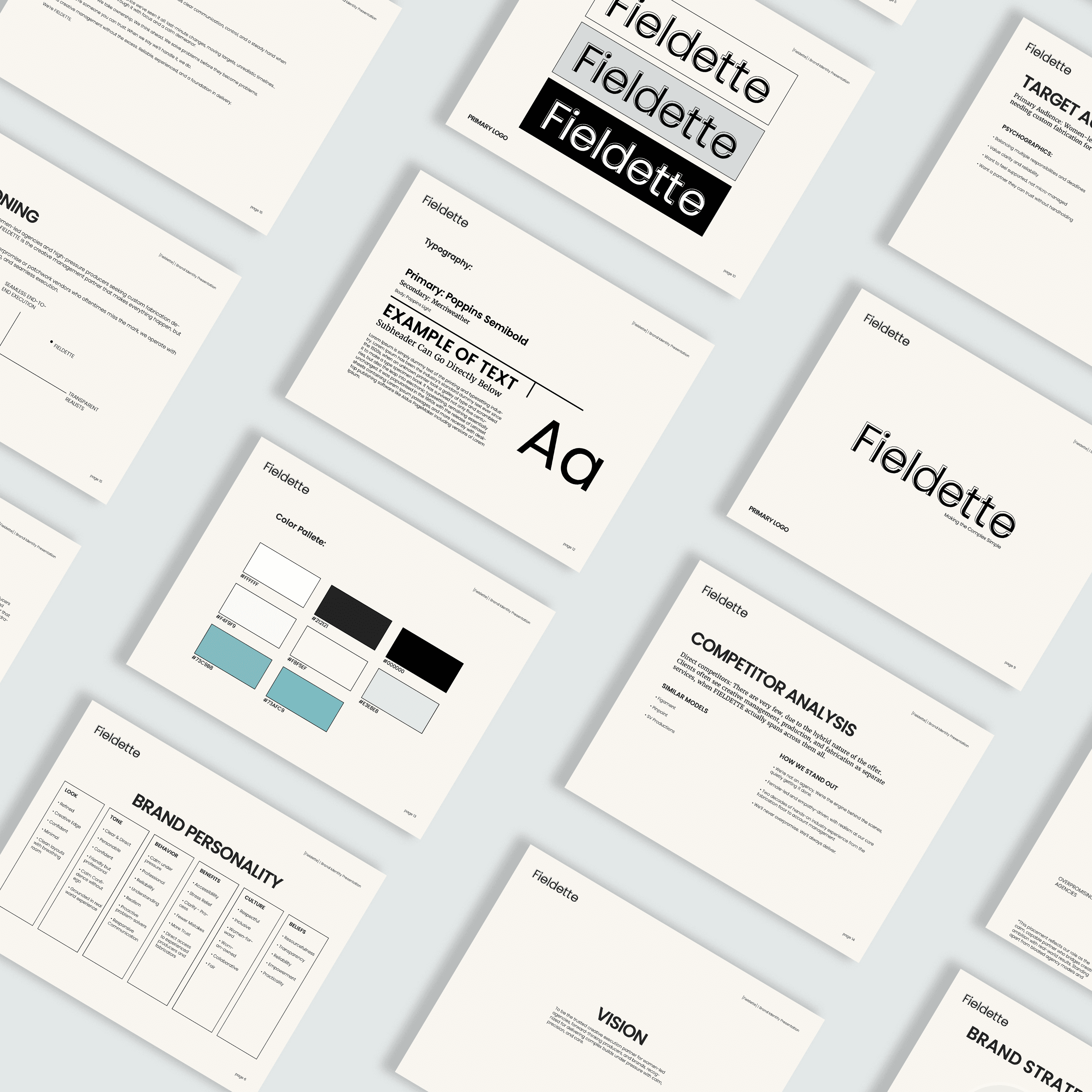
Your Roadmap To Success
At the end of the day, brand strategy is your roadmap. Without it, you’re just driving fast with no destination. You might move, but you won’t move intentionally. Strategy forces you to confront the hard questions most founders avoid. Who are you really for? Why should anyone care? What space do you actually own? Why you instead of the next option? If you can’t answer those clearly, your audience definitely can’t either. And that shows up as inconsistent messaging, stalled growth, weak positioning, constant pivots, and marketing that feels like it’s working way harder than it should. Strategy doesn’t guarantee success, but it dramatically increases the odds because it replaces ego with evidence, guessing with clarity, and noisiness with direction. If reading this makes you slightly uncomfortable, that’s probably a sign there’s work to do.
FAQs
Q. What is the definition of brand strategy?
Brand strategy is the long-term plan to construct a creative identity for one's company that will foster loyalty and growth. The strategy is built off of intensive research and logic. At it's core its stating: who you are, who you're for, and what your offer is.
Q. Why should I company invest in brand strategy?
Branding has never been more important. If your company wants to succeed and continually grow, it needs to have a foundation & plan beneath it. The strategy is set in place to guide all other facets of your business: Marketing (audience and messaging), Advertising, Leadership, Company Culture, etc.
Q. What problems does brand strategy solve?
Eliminates guesswork in your business
Strengthens brand recognition
Creates loyalty in customer base
Gets rid of inconsistency in messaging and marketing
Maximizes efficiency by having a clear direction & plan
Increased pricing due to strong brand and positioning
Wasted money on marketing & advertising that doesn't convert
Q. What is a brand actually?
A brand is the gut feeling people have about you. It’s not your logo, website, or colors. It’s what people believe you represent and whether they trust you.
Q. Why do people choose one brand over another?
People rarely choose with logic first. They choose emotionally, then justify it with logic later. The brands that win make people feel understood, safe, and aligned with their identity.
Q. What makes a brand memorable?
Clarity and consistency. If people can quickly understand what you do and who it’s for, they remember you. Confusion kills memory.
Q. Why is clarity so important in branding?
Because the brain hates uncertainty. When something feels confusing or unclear, the brain treats it like risk and moves on.
Ready to discuss your brand strategy?